
Lakshmi

In light of some new information that has recently come our way, we have made corrections and updates to this story.

From the Heart of Our President:
lakshmi-1

Several years ago in India, I met a Nepali girl named Lakshmi. I was speaking to the leaders of her safehouse, reinforcing their brilliant and powerful dream of lifting tiny lives to dignity and wholeness, urging them to persist against incredible odds. They dreamed big for their land. Lakshmi was their first rescue from sexual slavery. She cowered in the corner, twitching and acting out bizarre behavior while I spoke. Having grown up in that culture, I knew their world, and I watched her from the corner of my eye. When I looked away from her, she stopped twitching and acted normal and attentive, shaking her head at the appropriate times—obviously understanding even the English—and acting “smart.” When I’d look at her, she’d twitch again. Smart girl! She’d learned that acting weird made customers leave her alone and helped her avoid abuse. When I saw her body language go from dead to alive and alert, I knew there was a thriver hiding in the wreckage. Beneath the brokenness was a very alert mind and a survival instinct.

Sold by a family member, she had been taken from her homeland and trafficked to India. Abused repeatedly in a particularly vicious ceremony, she had a vehement fear of blood. We learned not to speak of “the blood of Christ.” Instead, we talked about the Lamb of God. She was fascinated with a God who loved her, stood in her stead and protected her from wrath. She had only ever known wrath. As she came alive, her relentless drive to share this God of love with others also came alive.

Yet I also saw in her a grieving mommy. Soon after coming to India she had given birth to a son, then was sold to a faraway brothel while he was still quite young and had never seen him again. Though now flourishing, she was desperately lonely for her baby. The day I met her and saw her hollow eyes and broken mommy heart, I took Lakshmi on in my own heart. She knew I saw the mommy in her—something no one else in her life had seen. I bought her all the beads the market held, and we paid her to make baby bracelets in her son’s memory. Though she longed to find him and prayed for him daily, she eventually found peace in knowing that God was taking care of him.

Her longing for her son grew into a deep desire that others come to know the SON. She used to go back to the red light districts to share her testimony of the God Who Changes Lives. After a few years, she decided to visit her family in Nepal to reconnect with them, forgive them, and share the gospel. Her sister chose to believe!

On the day she was to return to India, she did not show up. Her family said she had died in her sleep. We sent a local non-profit to investigate and discovered that the police were also investigating. Her death was fraught with shadows and lies. All we know is this: she arrived in the village, professed that she no longer served a god that dripped blood, and declared the Lamb of God. She ended up dead. My partners grieved and held a memorial service, planting a tree in her memory in their garden.

We later found out that Lakshmi had shared the gospel to the very end of her life. She chose to live the last days of her life sharing Jesus with those who sold her: her own family, whom she chose to forgive. When she knew she was about to die, she sold all her jewelry and used the money to buy samosas and sweets for the village children. The next day, in unspeakable pain, she lay down on her bed and, with her Bible on her chest, passed away into glory.

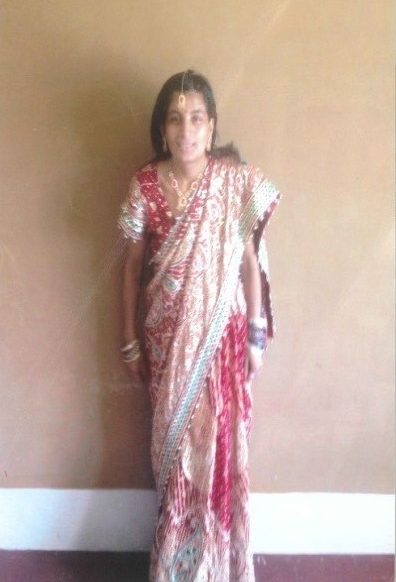
I carry in my Bible a picture Lakshmi gave me of her dressed as a bride on the day she declared she was now a Daughter of the True and Living God. Safehouse staff had given her a brilliant red wedding sari, wedding makeup, jewelry, and a full party. She was so proud of her status as a Daughter of this God of Refuge. The village spoke of the fact that she would not back down on this God! It makes me wonder what really happened. God knows. Whatever happened, her death was not in vain. Those in her village saw how Lakshmi lived out her life and they, too, wanted to know the One who helped her to forgive. In a neighboring village, known for its traffickers, there had been a dormant church. Because of Lakshmi’s choice to live her last days sharing the gospel, this church is now growing in number, with members actively sharing their faith.

I want a portion of the memorial garden slated for the front and side of our headquarters to be named the Lakshmi Memorial. We have 2000 patio tiles that make up the garden. We will raise $100 dollars per tile to finish the memorial garden in her name: a forever reminder of a Daughter of the King who died trying to tell others of the Lamb of God and the greatest rescue of all.
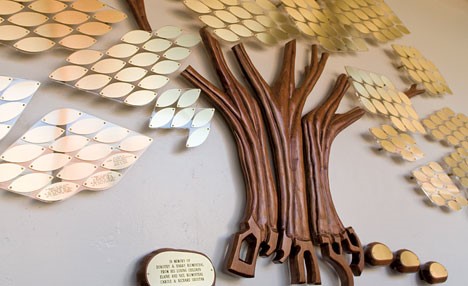
lakshmi-2The Memorial Garden will have a dozen stations where you can stop, meditate, pray, and reflect on the sorrow and JOY we address as the Family of WAR, Int’l. In honor of Lakshmi’s beloved son, there will be one stop in memory of children ripped from their moms, the Sweeties of life. Your gift will help make this place of healing, reflection, and memory a reality. On a wall at Headquarters, there will be a Tree of Life with the donors’ names on leaves. It is fitting that Lakshmi in Indian lore is always connected to the Lotus flower that grows in muddy water rising to bloom above the darkness. Life began in a Garden (Eden), was restored in a Garden (Gethsemane), and will be returned to a Garden (the Garden City of Heaven).
Donate to Lakshmi’s Memorial Garden

Rewriting Her Story

RewritingT-shirt

Women At Risk, International is passionate about change—about bringing hope to the broken, freedom to the oppressed, and dignity to the downtrodden. There is no greater joy for us than to see women’s lives transformed and their stories rewritten. Rejoice with us in these stories of freedom, hope, and lives made new.


LIU BAO, CHINA

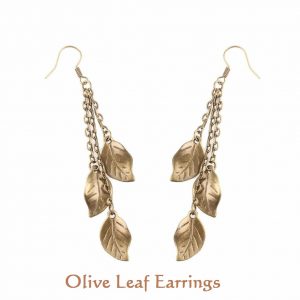
LiuBaoStory-OliveLeafEarringsWithTextTeams of women walk through the red light districts of China offering words of kindness, encouragement, and hope to sex workers. They return time and again, building relationships with the women they meet. Knowing that most of these women did not choose the lives they are living, the outreach teams offer them a chance to start again. Through the outreach teams’ program, women are able to leave the streets and find safe shelter, counseling, and medical care. They also receive vocational training and employment in the outreach’s jewelry-making venture.

Liu Bao is one of these women. First trafficked when she was fourteen by a “boyfriend” who turned out to be a pimp, she later escaped and went back to her family—only to find herself trafficked again at the age of nineteen. After a year in China’s red light districts, she met several women from the outreach team. She left the streets and entered their program, run by a partner of WAR, Int’l, where she received trauma counseling as well as medical care and counseling for an eating disorder. Through much counseling and mentoring, she began to develop a healthy self-image and eating habits.

From the beginning, program staff recognized Liu Bao’s talent for computers and administration. Almost immediately, they offered her computer training and courses in administration and business English. As she began to heal from her past, Liu Bao found herself thriving in her courses. Just one year after leaving the streets, Liu Bao became an Administrative Assistant for the outreach program and is daily managing their jewelry stock, shipping, and consignment accounts.

As she thrives in her present circumstances and looks to a changed future, Liu Bao is no longer chained to her past. From the abuse and trauma of the red light district to the comfort and dignity of her office, Liu Bao’s story has been rewritten.


DAMARA AND RUTH, UGANDA

Holding back sobs, she made her way up to the platform, hoping for a chance to speak to the man from WAR, Int’l who had come to visit her village. Seeing her eagerness, the man stepped over and took her hands, and she could no longer control the sobbing that poured forth. “Thank you,” she told him over and over. “Thank you that I can go to college.” As her tears subsided, she told him her story—or rather, her mother’s story.

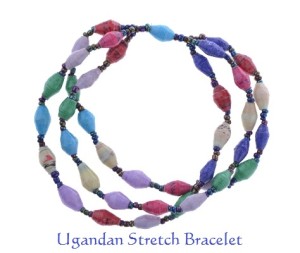
RuthDamaraStory-UgandanBraceletWithTextWhen Damara’s father died of AIDS, his family kicked her HIV-positive mother out of their family home and farmed Damara and her siblings out to other families. Damara’s mother, Ruth, found her way to a partnering program of WAR, Int’l which employs AIDS widows and HIV-positive women to craft jewelry out of recycled magazine pages. The jewelry-making venture had just begun, and Ruth became one of their first artisans. Her skill blossomed, and she was soon making enough money not just to support herself, but to put away for the future. She saved enough to buy land and build a house, and then set about getting her children back. With a steady income, she was able to send all of her children to school, and Damara was now graduating from college—something that a decade ago, neither she nor her mother would have ever thought possible.

Ruth’s story doesn’t end there. Spurred by her success in jewelry-making, she began growing mushrooms and popcorn, both high-demand and profitable commodities. She built more buildings and barns to accommodate her businesses. “And the food you ate today,” Damara revealed with a wide smile, “was made by my mother’s new catering business.” She couldn’t hold back the tears that flowed once more as she caught her mother’s attention in the crowd and motioned for her to come and meet this man whose organization had helped to change their lives.

And how great is that change! Once desolate and abandoned, Ruth now has more than enough to meet her needs and those of her children and is now pouring back into their community. A fresh start making simple but beautiful jewelry has led to the rewriting of her story and her children’s stories.


DAUGHTERS OF THE KING, DOMINICAN REPUBLIC

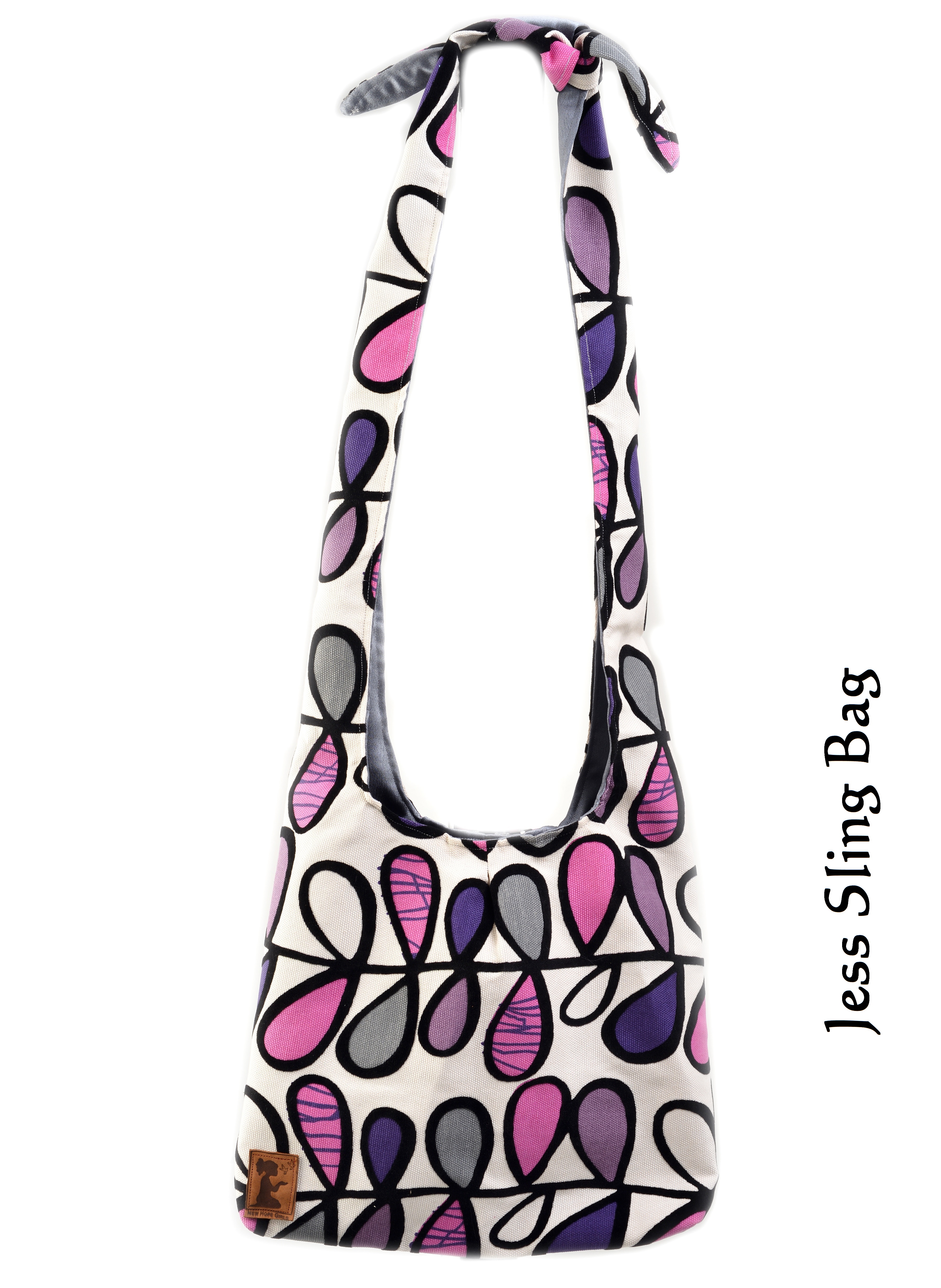
DaughterStory-BagWithTextThe chatter of excited girls rises above the clatter of forks and the clinking of glasses. The girls, students at an academy run by a new partner of WAR, Int’l in Central America, are clearly enjoying their etiquette classes. Their enthusiasm is bolstered by anticipation of a special dinner out at the conclusion of the classes. Such a treat!

Nearby, their mothers and other village women work handcrafting purses and bags. They are grateful for the income they earn this way and even more grateful for the education and nurture their daughters receive at the school. There, they learn not just academics, but skills like gardening, cooking, art, and most recently, table etiquette. The conversation among the women turns to the upcoming dinner—the food the girls anticipate eating and the new dresses they will wear. Lately, the girls have talked of nothing else.

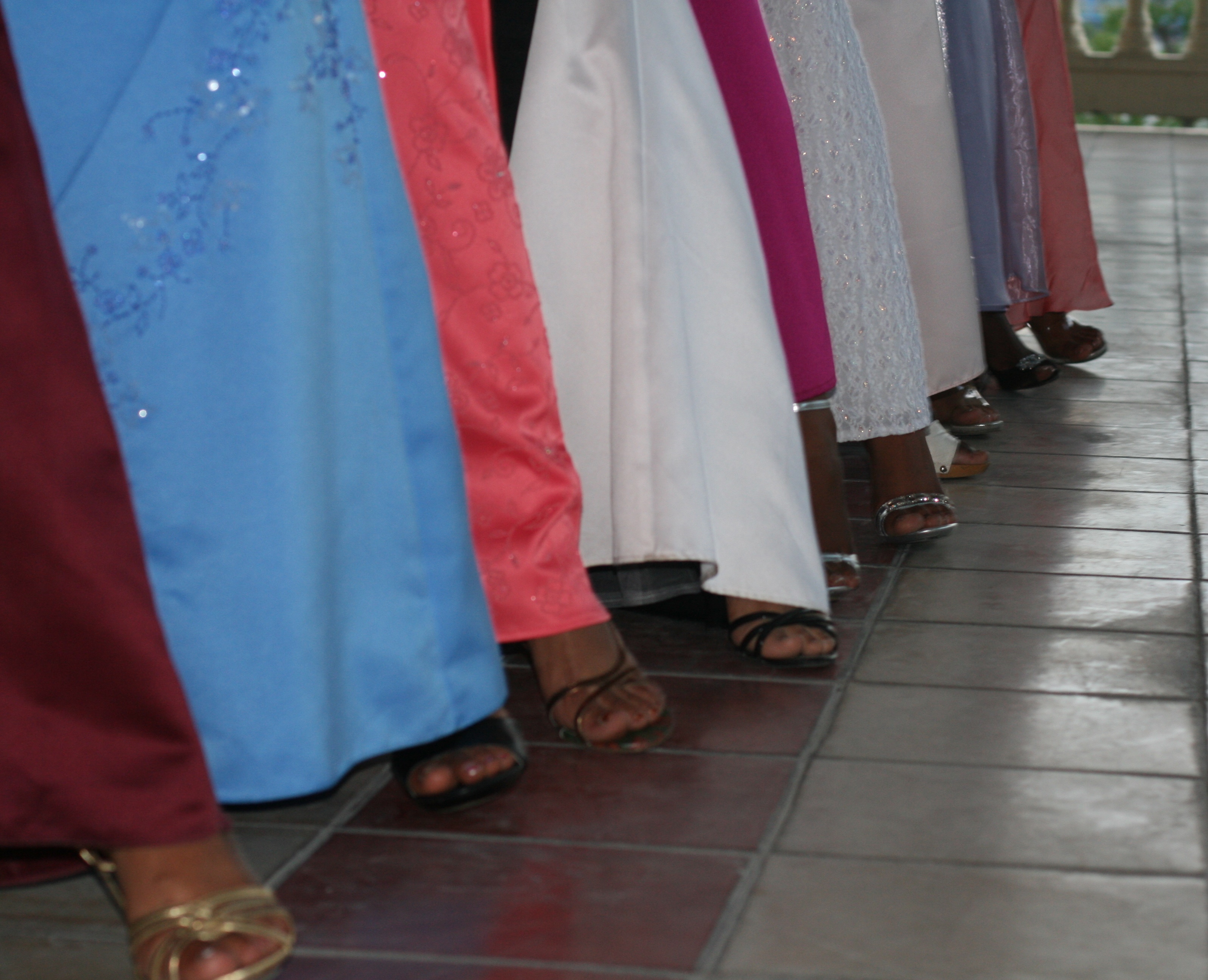
DaughterStory-GarmentsOfPraiseJoining them for this dinner will be a friend of the Academy, Ana, along with her special guests. The girls love spending time with Ana, who has been talking with them about who they are. And who are they? They are more than poor children from poor families, more than trafficking survivors, more than the sum of their pasts and their circumstances. They are beautiful, lovely, and restored. They are chosen, beloved, daughters of The King. They are Princesses! It is hard for them to wrap their minds around this, yet they are coming to believe it.

Never is this more apparent to their teachers and mentors than when they overhear the girls talking as they model their new dresses after class. They primp in front of the mirrors and twirl around the room, skirts flowing. “Look at us,” they whisper to each other. “We are people now.”

Princesses. Daughters of the King. Change worn both outside and in. Stories rewritten. This is the goal of Women At Risk, International. This is why we are here.

Change in Our Own Back Yard

The Story of WAR, Int’l’s U.S. Training Center

Bethany Winkel | Staff Writer

“I don’t know what it will look like, but if you want to leave this business, we’ll help you.”

EndSlavery_Page_1These words, spoken in a bar in the red light district of Grand Rapids, Michigan, are the words that launched a training center. Voiced by the president of Women At Risk, International (WAR, Int’l) to a woman named Monique, these words carried the power to break chains. They spoke of hope and freedom. When those fateful words came forth, something in Monique reached out and grasped onto them. She was ready for change. Within a few days she showed up at WAR, Int’l headquarters.

The words were sincere, the quickness of the response unexpected. WAR, Int’l staff joyfully welcomed Monique. They worked with her for hours, trying to help her figure out where she might find employment, what sort of work she could do, whom she might use as a reference. But trying to write a resume for someone who had known only the abuse of the streets proved futile. More words were spoken, another promise given: “We’ll hire you to make jewelry.” At that moment, a pilot program was born.

WorkWithDignity_Page_2From its humble beginnings in WAR, Int’l’s staff kitchen, that pilot program has grown into a training center where numerous women have found healing and a fresh start. Since that morning when Monique showed up on WAR, Int’l’s doorstep, countless others like her have walked through those doors, weary and in need of change. The Encompassed Creations program at our own U.S. Training Center (USTC) gives them a chance to make that change. Here they are mentored in life skills, trained in job etiquette, and given steady employment. As they learn to design and create jewelry, candles, spa items, and more, they are nurtured in the skills and knowledge they need to redesign and recreate their lives.

Training and employment at the USTC allows women like Monique to work with dignity, provide for themselves and their children, learn new skills, and build a resume. Here they create beautiful items to be carefully and lovingly displayed in the WAR Chest Boutique. They experience the joy of seeing their own creations purchased and worn by other women who appreciate their artistry and value. Most significantly, they are given a chance to realize their own beauty and worth.


ShopToRescue_Page_3Enabling wounded women to embrace their intrinsic beauty and value is the ultimate goal of WAR, Int’l. When a woman understands her worth, she is empowered to break cycles of poverty and abuse and move forward. When she sees that she is not chained to her past but is a new creation, she is able to change not just her circumstances but the way she sees herself. In doing so, she embraces lasting change and a beauty that is worn not just on the outside but on the inside as well.

Launched by words of compassion and hope and created out of the need of one desperate woman, the program that has changed Monique’s life is continuing to give hope to other women. By enabling them to learn new skills, work with dignity, and recognize their beauty and worth, the Encompassed Creations program at the USTC is empowering women to leave behind their pasts, change their futures, and begin their lives anew.

published October 2015 | updated November 2019

Bakery Programs: More than Just the Icing on the Cake

Maly and her friend Choum peer anxiously around the huge, sugar-flower covered wedding cake, straining for glimpses of the expo attendees as the doors to the great hall open. Surely people will come to their table. They must come. The girls want so badly to show off their cakes and their company.

A couple steps up to the table, surveying the cakes, looking at the literature. Maly glances at Nuon, who gives her a reassuring nod. Smiling, she approaches the couple and asks a few questions. Yes, the man affirms: his only daughter is getting married, and he wants the best cake money can buy. This bakery is highly recommended, and he and his wife have come to see for themselves. Speaking with him, Maly is only a tiny bit nervous. Not long ago, the sight of any man made her quake in fear, but she has come a long way since then. Her nervousness today has everything to do with being at her first wedding expo. With Nuon’s help and a confidence she could not even have imagined a few years ago, Maly guides the couple through the selection process and closes her first sale. As the couple walks away, she looks at Nuon, who encloses her in a warm embrace as Choum and the others gather around. “You did well,” Nuon whispers.

Many hours later, the expo hall is silent except for the noise of exhibitors packing up their wares. Maly and her friends collapse in exhaustion, their day’s work almost done. Slumping against a wall, they sigh with happiness. “Look at us,” Maly whispers. “Bakers, decorators, and now salespeople. Sometimes I still can’t believe we have real jobs and a real life.”

A Key to Freedom

Maly will soon graduate from a vocational training program run by one of WAR, Int’l’s Southeast Asian partners. Once the property of brothel owners, she now lives safely and securely with other rescued girls and women, nurtured under the watchful eyes and loving hearts of their house parents and teachers. Along with counseling and education, she has received training in the art of baking and decorating cakes. This is meticulous work and it is not always easy—especially for a girl who had never even seen an oven, let alone made a cake—but she has persisted, knowing that the skills she is learning are the key to retaining her hard-earned freedom.

In Maly’s home country, ninety percent of women who are rescued but do not receive job training end up returning to the sex trade (IJM). Vocational training is crucial to ensure that a rescued woman can support herself. With that ability, girls like Maly become empowered to live free of fear and to break generational cycles of poverty and enslavement. With this understanding, their safehouse established a program to train residents in the highly-sought-after art of cake decorating.

Over the last five years, the program has grown from eight girls to nearly fifty. Like many similar programs supported by WAR, Int’l, it consists of a three-month intensive course covering hygiene and essential business skills, along with baking, decorating, and sugar artistry. While a few programs have an off-site training center, Maly’s classes take place right at her safehouse, in a kitchen renovated with donated funds. Her teachers are professionals who have devoted themselves to this ministry, nurturing the students’ hearts and spirits while teaching them skills. These teachers, who stay up on the latest decorating trends to give their students an edge in the market, often remind their charges that they are teaching to a “world-class standard.” Their drive to turn out graduates skilled in creativity and artistry both benefits the women and maintains the high standards of the program’s own professional bakery, where they are employed after graduation.

The bakery—which Maly and her classmates have been privileged to represent at the Wedding Expo—serves two purposes: it employs graduates of the program at a fair and generous wage, and it provides a profitable venture which helps to sustain the safehouse. Most of its patrons have no idea they are supporting a safehouse; they just know they are purchasing delectable treats and gorgeous cakes from a bakery regarded as one of the finest in the country. Even the Prime Minister has been among its customers.

Hopes, Dreams, and Dignity

The bakery’s stellar reputation enables many of its students-turned-staff to move on and gain employment at other bakeries. Maly, however, hopes to eventually use her experience to begin her own bakery. Perhaps a microloan from WAR, Int’l will allow her to do just that. Choum, on the other hand, longs to become a teacher in the program, teaching and nurturing students just as Nuon—a former student herself—has taught and nurtured her and her classmates. Whatever their ambitions, Maly, Choum, and their classmates know they are fortunate to even have hopes and dreams.

Like all the vocational programs WAR, Int’l supports, the bakery does more than provide crucial training and experience. It also provides a valuable sense of self-worth and dignity to the girls and women involved. As they grow in skills, they grow in confidence and begin to thrive emotionally. They take pride in their work and win the respect and admiration of others, including family members who once saw their value only in being sex workers. At her own graduation ceremony a few years ago, Nuon had spoken of “feeling new,” of moving from a dark and sad existence to one of light and happiness. Maly knows that feeling well.

Bakery programs are one way that WAR, Int’l helps to give happiness and hope to girls and women like Maly, Choum, and Nuon. WAR, Int’l supports bakery programs in countries like Cambodia, Thailand, Nepal, the Dominican Republic, and the United States—just to name a few. These programs, in the words of one partner, “contribute to a life of hope and dignity for women who, for far too long, were robbed of both.”

Micro-loans of Love

Empowerment, a basic need to be able to work with dignity, has often been unfulfilled for many of the women entering WAR, Int’l programs. These women need to know that they are a valuable part of their individual societies. Sometimes, all they require is an initial investment in their futures, and, through WAR Int’l, we are able to provide them with micro-loans to help them become self-sustaining businesswomen.

WAR Int’l has a deep desire to see women employed with dignity in safe environments and become financially stable. Micro-loans enhance that desire for us, which is why we believe so firmly in their effectiveness.

According to World Vision, it has been proven that women have the highest micro-loan repayment rate, and they also consistently invest the most of their earnings in their children and families. Many of the at-risk women we work with all over the world have no way to provide for themselves. But with a small micro-loan, they are given the finances they need to start a business. More importantly, these opportunities give them dignity. Micro-loans are not handouts – they are a hand up. WAR Int’l supports partnering micro-loan organizations all over the world to make sure that women have the opportunity to support their families while making an income.

What sets most of our partners apart is the fact that many times these micro-loans are also coupled with educational classes, business classes, and Bible classes. We’ll be honest; when it comes to choosing partners, we are picky. There are thousands of organizations giving micro-loans to those in need. However, we make sure life-change is happening, outside of the financial realm, for these women before we choose to partner.

Micro-loans have been the saving grace for many women and their families. Take Myra, for example. Myra was a salsa dance teacher in the Dominican Republic. Each morning, she left her three children at home so that she could teach dance. However, after learning that her oldest daughter had been raped by the apartment’s janitor, Myra knew that she had to create a circle of protection – first and foremost – around her three children. Through a micro-loan, Myra now runs a food stand selling empanadas. She is able to be with her children while making an income to support her family. She was even able to continue dancing by starting a salsa aerobics class at her local church!  If you would like to donate to WAR’s Micro Enterprise fund, click here.

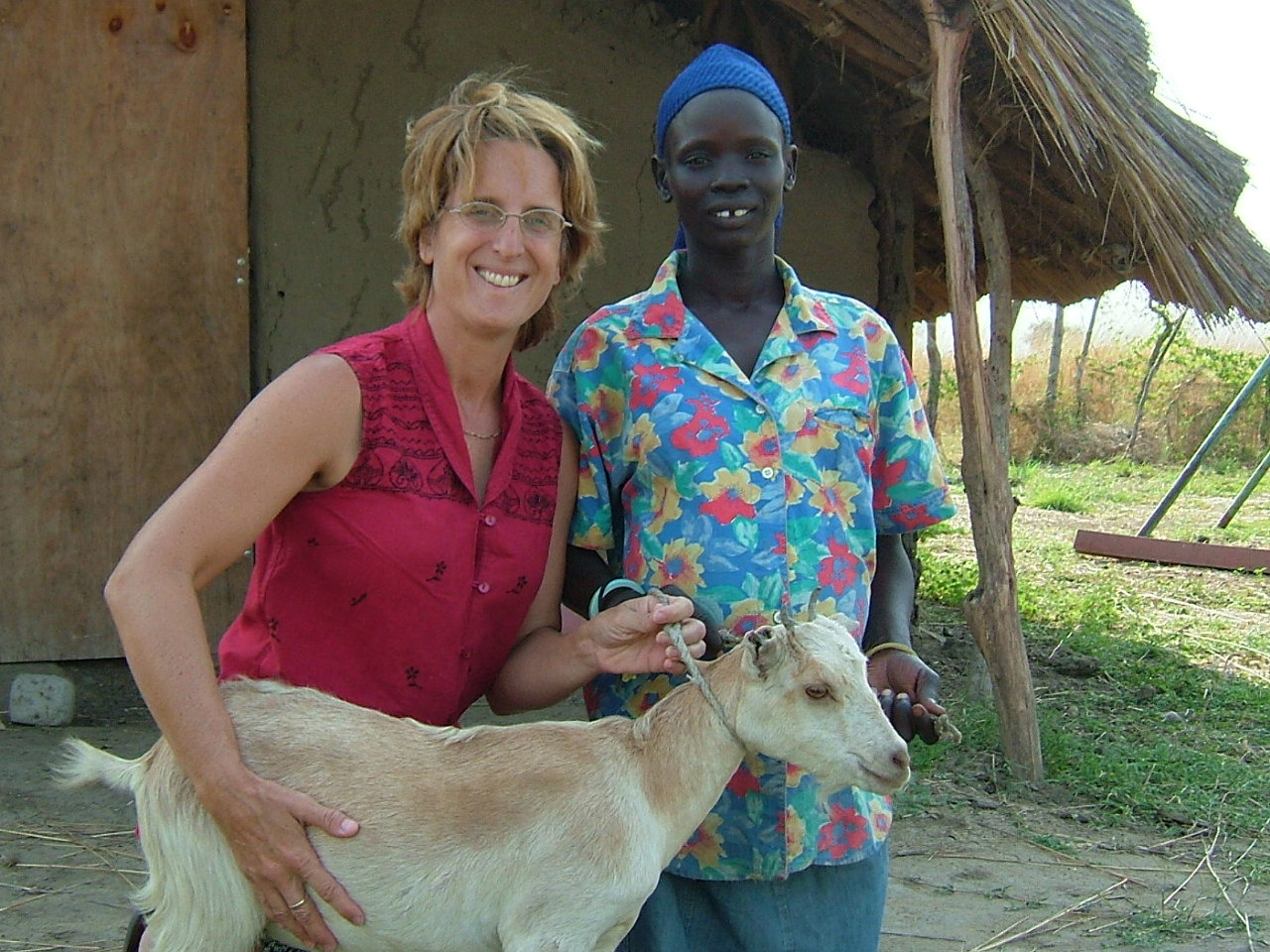
Though micro-loans are extremely important, women in some countries benefit more from a single, one-time gift. At WAR, Int’l, we have a program called the Goat Project. Currently, the Goat Project works in three different countries: Sudan, Nepal, and Kenya. The goal of this program is to provide women who need a source of income with goats, because in many countries, if a widow does not have a goat, she has no means of supporting herself or her family. So, while WAR, Int’l is very passionate about micro-enterprise-goat-projectmicro-loans, we also understand the importance of meeting specific needs. Instead of a micro-loan, this program includes a goat-loan. The goat is loaned to an at-risk woman who will raise it and use its milk to feed her family. She can also sell this milk to make an income. All WAR Int’l asks is for the woman to return to them the first female kid the goat has. In doing this, we are able to provide a goat to another woman at risk, creating a self-sustaining cycle in vulnerable communities. Read more on our Goat Project program page.

When women are provided with the basic necessities to support themselves, we help them to create an environment of empowerment in their communities. According to World Vision, violence against women decreases where women are self-employed – and we have seen this first-hand.

Please pray for the success of the businesses that these women have created, that the micro-loan program will be able to expand through WAR, Int’l and that the Gospel will be spread in mighty ways. We’re not just giving financial investments and stability to these women, but we’re giving them the opportunity to invest in their eternities as well. We don’t take this lightly, and we hope you’ll pray with us and for us as we continue to give more women opportunities that once seemed so out of reach for them.